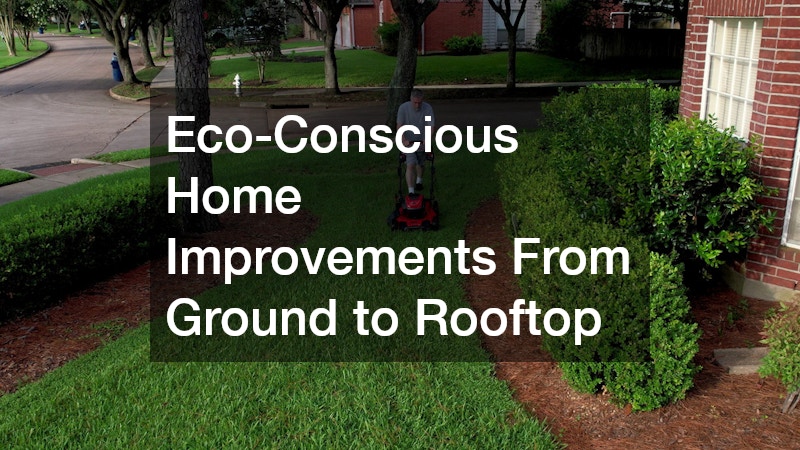

Eco-conscious home improvement is not a single upgrade or product choice, but a holistic approach to how a home functions as a complete system. Decisions made at the ground level affect moisture control, structural stability, and energy loss, which in turn influence comfort, durability, and ongoing maintenance costs up to the roofline. When improvements are planned in isolation, homeowners often overlook these connections, leading to inefficiencies, unnecessary material use, and higher long-term expenses.
A ground-to-rooftop approach helps homeowners see how land use, materials, interior upgrades, structural planning, and renewable energy systems interact with one another. Focusing on performance, longevity, and coordination allows each improvement to support the next, resulting in better outcomes that balance environmental responsibility with financial practicality.
Start With the Land and Materials You Already Have

Every eco-conscious improvement project should begin outside the home, before interior finishes or mechanical systems are even considered. The condition of the land, drainage patterns, and existing materials directly affect how sustainable and durable future upgrades will be. Decisions made at this stage influence everything from foundation stability to moisture control, and correcting mistakes later often requires invasive and wasteful work.
One of the most overlooked aspects of sustainable renovation is sustainable land management. How the property handles water, soil movement, and vegetation health determines whether improvements will perform as intended over time. Poor grading or unmanaged runoff can lead to erosion, basement moisture, and structural stress, undermining even the most energy-efficient interior upgrades. Proper planning reduces these risks while lowering long-term maintenance demands.
Effective land-focused planning involves more than surface-level landscaping. Homeowners should look at how the site functions seasonally and under stress, such as heavy rainfall or snowmelt. Addressing these factors early helps avoid drainage retrofits, foundation repairs, and repeated landscape replacements.
Key steps to take early include:
- Evaluating how water flows across the property during heavy rain, including runoff direction, pooling areas, and downspout discharge locations
- Identifying areas where soil erosion or pooling occurs, especially near foundations, walkways, and retaining structures
- Protecting mature trees and root systems during construction to preserve shade, soil stability, and natural water absorption
- Using permeable surfaces where possible to reduce runoff while supporting driveways, patios, and walkways without increasing hardscape impact
Another major opportunity for reducing environmental impact comes during demolition or removal phases. Instead of treating old materials as waste, homeowners can significantly reduce landfill contributions through metal recycling. Many renovation projects generate scrap metal that still has functional or material value, and separating these items early prevents unnecessary disposal.
Common recyclable materials often overlooked include fasteners, framing connectors, old appliances, duct sections, and exterior metal features. Diverting these materials from landfills conserves resources and can reduce disposal costs, particularly on larger projects.
Practical ways to incorporate reuse and recycling include:
- Conducting a material audit before demolition begins to identify recyclable or salvageable components
- Separating recyclable metals on-site to prevent contamination with general construction debris
- Coordinating with local recycling facilities ahead of time to understand accepted materials and preparation requirements
- Salvaging usable materials for secondary applications, storage, or donation when appropriate
By starting with thoughtful site preparation and material management, homeowners lay a foundation that supports every improvement that follows. Early attention to land conditions and responsible material handling reduces environmental impact while creating a more stable, efficient base for future upgrades.
Budgeting and Planning With Long-Term Efficiency in Mind
Eco-conscious improvements require a different budgeting mindset than cosmetic renovations because the true value of these projects lies in long-term performance rather than immediate visual impact. Instead of focusing only on upfront costs, homeowners benefit from evaluating how each upgrade affects energy use, durability, maintenance frequency, and eventual replacement timelines. A higher initial investment can often result in lower lifetime costs when systems last longer and operate more efficiently.
This distinction is especially important for a first-time home buyer, who may be balancing limited funds with the responsibility of maintaining an entire property for the first time. New homeowners often underestimate how quickly inefficient systems and low-quality materials contribute to rising utility bills, emergency repairs, and premature replacements. Without careful planning, short-term savings can lead to higher cumulative expenses within just a few years of ownership.
Effective planning starts with prioritization. Eco-conscious budgets should focus on improvements that protect the home and reduce ongoing operating costs before addressing appearance-driven upgrades.
Key priorities typically include:
- Addressing health, safety, and structural issues first to prevent damage that can compromise future improvements
- Investing early in upgrades that reduce energy or water use, such as insulation, sealing, or system efficiency improvements
- Delaying aesthetic upgrades that do not impact performance or longevity until critical systems are addressed
Financing also plays a role in sustainable decision-making. Strategic use of loan services can make high-impact upgrades feasible when cash flow is limited. Instead of spreading a budget thin across multiple small projects, targeted financing allows homeowners to complete essential improvements correctly the first time, reducing the likelihood of rework or early failure.
Projects that may justify financing often include:
- Energy-efficient mechanical systems that significantly reduce monthly operating costs
- Roofing or insulation upgrades tied directly to efficiency and moisture control goals
- Structural work that supports future renewable installations or prevents long-term damage
It is also wise to build flexibility into both budgets and timelines. Eco-conscious improvements are often phased over several years, and early decisions should support — not restrict — future upgrades. Planning with the end goal in mind helps reduce rework, limit material waste, and avoid unnecessary costs as the home evolves.
Improving Comfort and Efficiency Inside the Home
Interior improvements play a significant role in both sustainability and daily comfort because they directly influence how efficiently a home uses energy and how healthy the indoor environment feels over time. Choices related to materials, layout, and mechanical systems affect temperature stability, humidity control, and air quality daily, making these decisions especially important for long-term performance.
Choosing interior finishes thoughtfully can have lasting environmental benefits. Hardwood flooring, for example, provides a combination of durability and repairability that many synthetic alternatives cannot match. Unlike disposable flooring materials that require full replacement when damaged, solid wood surfaces can often be refinished multiple times, extending their usable life for decades and reducing material waste.
When evaluating interior materials, homeowners should look beyond appearance and price to assess how each choice performs over time. Key considerations include:
- Expected lifespan and repair options, including whether materials can be refinished or patched rather than replaced
- Maintenance requirements and cleaning products, particularly those that may introduce chemicals into the home
- Impact on indoor air quality, such as emissions from finishes, adhesives, and treatments
- Compatibility with radiant or forced-air heating systems, which can affect comfort and efficiency
Mechanical systems are another major factor in interior sustainability. Heating and cooling account for a significant portion of household energy use, making efficiency and proper installation essential. Working with reputable HVAC companies helps ensure systems are correctly sized and matched to the home’s insulation, layout, and usage patterns, preventing energy loss and uneven comfort.
Actionable steps to improve performance include:
- Conducting a load calculation before replacing equipment to avoid oversized or undersized systems
- Sealing ductwork during renovations to reduce air leakage and improve delivery efficiency
- Upgrading thermostats for better temperature control and energy management
- Coordinating insulation improvements with system upgrades so that mechanical equipment operates as efficiently as possible
Interior improvements should never be viewed as isolated choices. Flooring, insulation, and mechanical systems interact continuously, and addressing them together creates a more balanced, efficient, and comfortable living environment than tackling each upgrade independently.
Strengthening the Structure and Roof for Long-Term Performance
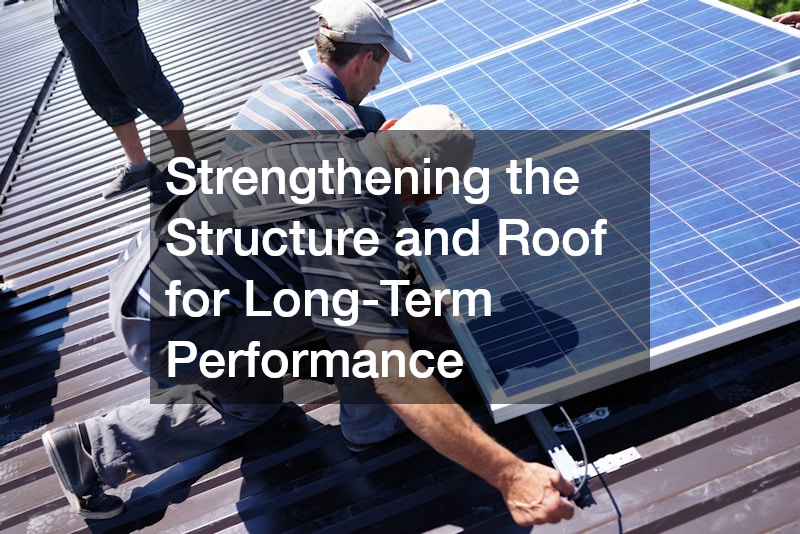
A home’s structure and roof are central to its energy performance, weather resistance, and ability to support future upgrades. These components form the physical framework that protects interior systems from temperature extremes, moisture intrusion, and wind exposure. Addressing structural and roofing issues early helps prevent energy loss, material degradation, and premature system failures that can undermine other efficiency-focused improvements.
The roof, in particular, plays a critical role in insulation continuity, ventilation balance, and moisture control. Problems at this level often go unnoticed until they cause visible damage inside the home. Consulting a qualified roof specialist allows homeowners to evaluate material condition, flashing integrity, and ventilation performance before minor deficiencies turn into costly repairs. Early assessments also help determine whether the roof can accommodate future upgrades without structural modification.
Structural and roofing considerations should include:
- Assessing attic insulation and airflow to ensure heat is retained in winter and expelled effectively in summer
- Identifying heat loss or moisture intrusion points that can reduce energy efficiency and damage framing
- Evaluating load capacity for future installations, such as additional roofing layers or mounted systems
- Selecting materials based on climate and exposure to sun, wind, snow, and rainfall
Coordination is essential at this stage because roofing and structural work often intersect with multiple building systems. A knowledgeable general contractor can align roofing work with insulation improvements, exterior sealing, and framing upgrades to ensure each component supports the others. Without coordination, homeowners may face situations where completed work must be removed or altered to accommodate later improvements.
Benefits of integrated planning include:
- Reduced labor and material waste caused by rework or overlapping scopes
- Shorter project timelines through efficient sequencing of trades
- Improved system compatibility across roofing, insulation, and structural components
- Better long-term durability as materials and assemblies are designed to work together
Strengthening the structure and roof is not just about protecting the home — it is about enabling every other eco-conscious improvement to perform as intended.
Maximizing Renewable Energy Systems Over Time
Renewable energy systems offer significant environmental and financial benefits, but only when they are planned, installed, and maintained correctly. Long-term performance depends on thoughtful preparation and consistent care, not just the initial installation. Without proper planning, even well-designed systems can underperform or require premature repairs.
Before installation, the home must be structurally and spatially ready. Roof condition, orientation, and shading all influence energy output and system longevity. Addressing these factors in advance helps ensure the system operates at peak efficiency from the start. Once installed, solar panel protection becomes a priority, as ongoing exposure to weather, debris, and environmental wear can gradually reduce output if left unmanaged.
Protective strategies may include:
- Installing guards or barriers to reduce debris accumulation from leaves, branches, or airborne particles
- Managing nearby vegetation to prevent shading that can limit energy production over time
- Ensuring proper mounting and sealing to protect against moisture intrusion and wind stress
- Monitoring output regularly to identify performance changes that may indicate underlying issues
Maintenance is equally important to long-term success. Regular solar panel inspections help identify problems such as wiring degradation, mounting shifts, or efficiency losses caused by dirt, impact damage, or weather exposure. Catching these issues early allows for minor adjustments or repairs before they compromise the system or the roof structure beneath it.
To maximize long-term benefits, homeowners should:
- Establish a routine inspection schedule based on climate conditions and system age.
- Track energy production against expected output to spot gradual declines in performance.
- Coordinate inspections with roof maintenance to reduce disruption and ensure system compatibility.
- Plan system expansions alongside efficiency upgrades so energy production and usage remain balanced.
Renewable energy systems perform best when integrated into a broader efficiency strategy rather than treated as standalone additions.
Eco-conscious home improvements are most effective when they are approached as a coordinated, long-term strategy rather than a collection of disconnected projects. When decisions are made with a clear sequence and overall goal in mind, each upgrade supports the next, reducing redundancy, preventing costly rework, and minimizing material waste. This integrated approach allows homeowners to address underlying issues first, rather than repeatedly correcting symptoms as they appear.
A ground-to-rooftop perspective encourages homeowners to evaluate how land conditions, interior systems, structural components, and ongoing maintenance needs are interconnected. Planning improvements with performance and longevity in mind leads to lower operating costs, more consistent comfort, and fewer unexpected repairs over time. When sustainability is treated as a practical framework instead of a one-time effort, it becomes a lasting investment that strengthens both the home’s functionality and long-term value.