
Introduction
Owning a home comes with both pride and responsibility. While it’s easy to focus on aesthetics like décor and landscaping, the real key to long-term comfort and value lies in proper maintenance. Every system in your home—from the structure itself to the mechanical components—requires consistent attention to function efficiently and safely. Ignoring small issues often leads to larger, more expensive problems that can disrupt daily life and strain your budget.
A well-maintained home doesn’t happen by accident. It’s the result of regular inspections, timely repairs, and a proactive mindset. Whether you’re a new homeowner or have years of experience, understanding the essential services that keep your home in top condition can save you time, money, and stress. This guide explores the most important areas of home repair and maintenance, offering practical advice and actionable steps you can take to protect your investment.
How to Identify Early Signs of Water Damage Before It Spreads
Water damage is one of the most common and costly issues homeowners face. Left unaddressed, even minor leaks can compromise structural integrity, encourage mold growth, and damage personal belongings. Recognizing early warning signs allows you to act quickly and minimize long-term consequences, often before you need to call water restoration companies.
Common causes of water damage
Understanding where problems originate helps you stay vigilant. Frequent sources include:
- Leaking pipes behind walls or under sinks
- Faulty appliances such as dishwashers or washing machines
- Roof leaks and poor drainage systems
- Basement seepage due to groundwater intrusion
- Condensation buildup in poorly ventilated spaces
Early warning signs to watch for
Water damage doesn’t always present itself in obvious ways. Keep an eye out for:
- Yellow or brown stains on ceilings and walls
- Peeling paint or bubbling drywall
- Warped flooring or soft spots in wood
- Musty or damp odors
- Visible mold growth, especially in corners or hidden areas
Immediate steps to take
If you suspect water damage, act quickly:
- Shut off the main water supply if a leak is identified
- Remove standing water using towels or a wet vacuum
- Increase airflow with fans and open windows
- Move valuables away from affected areas
Preventative measures
- Regularly inspect plumbing fixtures and appliances
- Ensure proper sealing around windows and doors
- Clean gutters and downspouts to prevent overflow
- Install a sump pump in flood-prone areas
Taking these steps can significantly reduce the risk of major damage and keep your home safe and dry and save you a call with water restoration companies.
What to Look for When Evaluating the Condition of Your Roof
Your roof serves as the first line of defense against the elements. Over time, exposure to sun, wind, rain, and snow can take a toll on roofing materials. Staying proactive with inspections and maintenance helps you determine when to contact a roofing company or address roof repairs before issues escalate.
Visual inspection tips
Even without climbing onto your roof, you can identify potential problems:
- Look for missing, curled, or cracked shingles
- Check for granule loss in gutters
- Inspect flashing around chimneys and vents
- Observe sagging areas or uneven roof lines
Interior indicators
Roof issues often reveal themselves inside the home:
- Water stains on ceilings or attic beams
- Light coming through the attic roof boards
- Damp insulation or mold growth
Repair vs. replacement
Understanding when to repair or replace is critical:
- Minor damage affecting small areas can often be repaired
- Widespread wear or aging materials may require full replacement
- Frequent leaks signal deeper structural concerns
Questions to ask professionals
When hiring help, consider asking:
- What is the expected lifespan of the current roof?
- Are there ventilation issues contributing to damage?
- What materials are best suited for the local climate?
Maintenance practices
- Schedule annual inspections
- Remove debris regularly
- Trim overhanging branches
- Ensure proper attic ventilation
Consistent care can extend the life of your roof and prevent costly surprises.
Simple Exterior Cleaning Strategies That Protect Your Home’s Surfaces
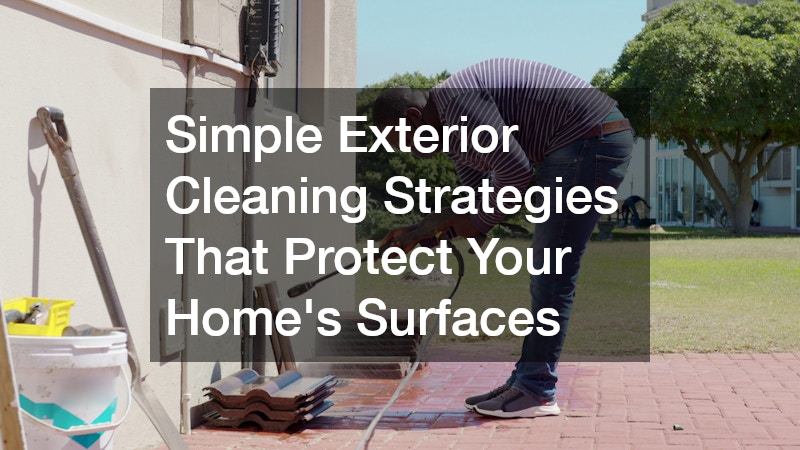
The exterior of your home is constantly exposed to dirt, mold, mildew, and environmental pollutants. Regular cleaning not only enhances curb appeal but also prevents long-term damage. Many homeowners turn to power washing services to maintain surfaces effectively.
Why exterior cleaning matters
Accumulated grime can:
- Break down paint and siding materials
- Encourage mold and algae growth
- Create slippery and hazardous surfaces
- Reduce overall property value
Areas that benefit from cleaning
Focus on these high-impact areas:
- Driveways and walkways
- Decks and patios
- Siding and brick exteriors
- Fences and outdoor furniture
DIY vs. professional cleaning
While some tasks can be handled independently, others require expertise:
- Light cleaning with a garden hose is safe for most surfaces
- High-pressure equipment can damage wood or siding if misused
- Professionals ensure proper pressure settings and cleaning solutions
Seasonal cleaning tips
- Spring: Remove winter buildup and prepare for warmer months
- Summer: Maintain surfaces and prevent mold growth
- Fall: Clear debris and prepare for colder weather
Mistakes to avoid
- Using excessive pressure on delicate materials
- Ignoring manufacturer guidelines
- Skipping protective gear
Keeping your home’s exterior clean is a simple yet powerful way to preserve its condition.
How to Keep Your Hot Water System Running Efficiently Year-Round
A reliable hot water system is essential for daily comfort. Over time, wear and mineral buildup can reduce efficiency, leading to the need for water heater repair.
Signs your system needs attention
Be aware of these indicators:
- Inconsistent water temperature
- Strange noises such as popping or rumbling
- Discolored or rusty water
- Leaks around the unit
Routine maintenance steps
Homeowners can take several actions to extend system life:
- Flush the tank annually to remove sediment
- Check the pressure relief valve
- Inspect for visible corrosion
- Adjust temperature settings to optimal levels
Tank vs. tankless systems
Each type has unique maintenance needs:
- Tank systems require periodic flushing
- Tankless units need descaling to prevent mineral buildup
Repair vs. replacement
Consider replacement if:
- The unit is over 10–15 years old
- Repairs become frequent or costly
- Energy efficiency has significantly declined
Efficiency tips
- Insulate hot water pipes
- Install a timer or smart controller
- Reduce water usage with low-flow fixtures
Proper care ensures consistent performance and lower energy costs.
Prevent Costly Plumbing Emergencies with Regular System Checks

Your plumbing system plays a vital role in daily living, and neglecting it can lead to significant disruptions. Scheduling plumbing inspections helps identify potential problems early.
Key components to monitor
- Pipes and joints for leaks or corrosion
- Faucets and fixtures for drips
- Drains for slow flow or blockages
- Water pressure levels
Warning signs of trouble
- Unexplained increases in water bills
- Persistent clogs or backups
- Unusual noises in pipes
- Water stains on walls or ceilings
Benefits of regular inspections
- Early detection of hidden issues
- Improved system efficiency
- Reduced risk of emergency repairs
- Extended lifespan of plumbing components
DIY maintenance habits
- Avoid pouring grease down drains
- Use drain covers to catch debris
- Run hot water after using sinks
- Regularly clean aerators
Professional inspection checklist
A thorough inspection may include:
- Camera inspections of sewer lines
- Pressure testing
- Leak detection technology
Staying proactive with plumbing care can prevent costly damage and inconvenience.
Maintaining Your Home’s Exterior to Prevent Structural Deterioration
Your home’s exterior acts as a protective barrier against the elements. Over time, exposure to weather can lead to wear and tear, making it important to monitor and maintain siding. Many homeowners consult siding companies for repairs or upgrades.
Signs of exterior wear
- Cracks, chips, or holes in siding
- Warping or buckling panels
- Fading or discoloration
- Moisture infiltration
Maintenance best practices
- Clean surfaces regularly
- Inspect after severe weather
- Seal gaps and joints
- Repaint or refinish as needed
Repair vs. replacement
- Minor damage can often be patched
- Extensive deterioration may require replacement
- Consider material durability and climate compatibility
Installation considerations
- Proper insulation improves energy efficiency
- Correct installation prevents moisture issues
- Quality materials enhance longevity
Long-term benefits
- Improved curb appeal
- Increased property value
- Enhanced protection against environmental damage
Maintaining your home’s exterior is essential for preserving both structure and appearance.
Recognizing Foundation Issues Before They Become Major Structural Problems
The foundation supports your entire home, making it one of the most critical components to monitor. Early detection of issues can reduce the need for extensive foundation repairs.
Common warning signs
- Cracks in walls or floors
- Uneven or sloping floors
- Doors and windows that stick
- Gaps around frames
Causes of foundation movement
- Soil expansion and contraction
- Poor drainage
- Tree root intrusion
- Improper construction
Preventative measures
- Maintain consistent soil moisture levels
- Ensure proper drainage away from the home
- Install gutters and downspouts
- Avoid planting large trees too close to the structure
Repair methods
- Piering to stabilize the foundation
- Slab jacking to lift sunken areas
- Sealing cracks to prevent water intrusion
Importance of early action
Addressing issues promptly helps:
- Prevent structural damage
- Reduce repair costs
- Maintain property value
A stable foundation is essential for the safety and longevity of your home.
Keeping Your Heating System Reliable During Colder Months
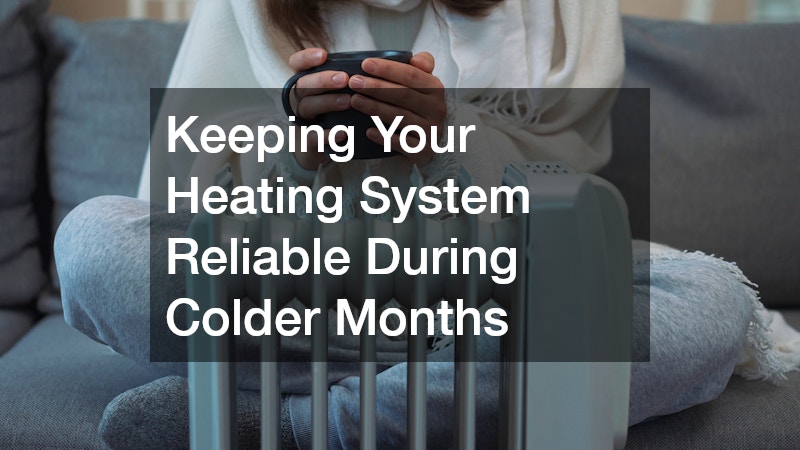
A properly functioning heating system is crucial for comfort and safety during colder seasons. Regular maintenance can reduce the need for furnace repairs and improve efficiency.
Signs of heating issues
- Uneven heating throughout the home
- Increased energy bills
- Strange noises or odors
- Frequent cycling on and off
Seasonal maintenance checklist
- Replace air filters regularly
- Inspect vents and ductwork
- Test thermostat functionality
- Schedule professional tune-ups
Energy-saving tips
- Seal drafts around windows and doors
- Use programmable thermostats
- Insulate attics and walls
When to call a professional
- Persistent performance issues
- Suspected gas leaks
- System age exceeding expected lifespan
Benefits of proper maintenance
- Improved efficiency
- Lower utility costs
- Enhanced indoor air quality
Keeping your heating system in top condition ensures comfort during the coldest months.
Ensuring Safe and Smooth Operation of Your Garage Door System
Garage doors are used daily, yet often overlooked when it comes to maintenance. Worn components can lead to safety hazards, making it important to address issues promptly, including garage door spring repairs.
How garage door systems work
- Springs counterbalance the door’s weight
- Tracks guide movement
- Openers provide automated operation
Warning signs of problems
- Difficulty opening or closing
- Loud noises during operation
- Visible wear on springs or cables
- Door closing unevenly
Safety considerations
- Springs are under high tension and can be dangerous
- Avoid attempting complex repairs without proper tools
- Disconnect power before inspecting components
Maintenance tips
- Lubricate moving parts regularly
- Test safety sensors
- Tighten loose hardware
- Inspect tracks for debris
When to seek professional help
- Broken springs
- Malfunctioning openers
- Structural damage to the door
Proper maintenance ensures safe and reliable operation.
Creating a Year-Round Maintenance Plan to Stay Ahead of Repairs
Staying organized is key to effective home maintenance. A structured plan helps you keep track of tasks and ensures nothing is overlooked, including scheduling power washing services and plumbing inspections as needed.
Building a seasonal checklist
Spring:
- Inspect roof and gutters
- Clean exterior surfaces
- Check for water damage
Summer:
- Maintain landscaping
- Inspect siding and exterior
- Service cooling systems
Fall:
- Prepare heating systems
- Seal gaps and cracks
- Clean gutters
Winter:
- Monitor indoor systems
- Prevent ice dams
- Check insulation
Budgeting for maintenance
- Set aside funds for routine upkeep
- Plan for unexpected repairs
- Prioritize critical systems
Staying organized
- Use digital apps or calendars
- Keep records of repairs and inspections
- Schedule recurring tasks
Benefits of a proactive approach
- Reduced stress
- Lower long-term costs
- Improved home performance
Consistency is the key to maintaining a safe and comfortable living environment.
Conclusion
Taking care of a home requires a thoughtful and consistent approach. By staying attentive to potential issues, performing routine upkeep, and addressing problems early, homeowners can avoid costly repairs and maintain a high level of comfort and safety. Every system and structural component plays a role in the overall performance of the property, making it essential to adopt a well-rounded maintenance strategy.
With the right knowledge and a proactive mindset, managing home repairs becomes far less overwhelming. Investing time and effort into regular care not only protects your property but also enhances its value and livability for years to come.
Homeownership is an ongoing commitment, and small, consistent efforts often make the biggest difference over time. Creating habits around inspections, cleaning, and timely service appointments helps prevent minor concerns from escalating into major disruptions. By staying organized and informed, homeowners can approach maintenance with confidence, ensuring their home remains a safe, efficient, and welcoming space for years ahead.